Illegal waste fines: Paddington council carpet disposal guide
If you have an old carpet rolled up by the front door, the clock can start ticking surprisingly fast. One minute it is "just something to get rid of", and the next it is taking up half the hallway, shedding dust, and making you wonder whether a quick curbside drop might be a bad idea. In Paddington, that question matters because the wrong disposal choice can lead to illegal waste fines, fly-tipping problems, and a headache you really do not need.
This guide breaks down what illegal waste fines mean in practice, how carpet disposal usually works in a London setting, and what sensible, lawful options you have before the situation turns messy. We will also cover mistakes to avoid, a step-by-step approach, and a few realistic examples from everyday property clear-outs. Truth be told, carpets look harmless until you try to move one down a stairwell on a wet Tuesday morning.
If your carpet came from a renovation, move-out, or a simple room refresh, the safest route is to plan disposal properly from the start. And if you are juggling other cleaning tasks too, it can help to look at support from a trusted cleaning company or a specialist house clearance service when the pile of unwanted items is getting out of hand.
Table of Contents
- Why Illegal waste fines: Paddington council carpet disposal guide Matters
- How Illegal waste fines: Paddington council carpet disposal guide Works
- Key Benefits and Practical Advantages
- Who This Is For and When It Makes Sense
- Step-by-Step Guidance
- Expert Tips for Better Results
- Common Mistakes to Avoid
- Tools, Resources and Recommendations
- Law, Compliance, Standards, or Best Practice
- Options, Methods, or Comparison Table
- Case Study or Real-World Example
- Practical Checklist
- Conclusion
- Frequently Asked Questions
Why Illegal waste fines: Paddington council carpet disposal guide Matters
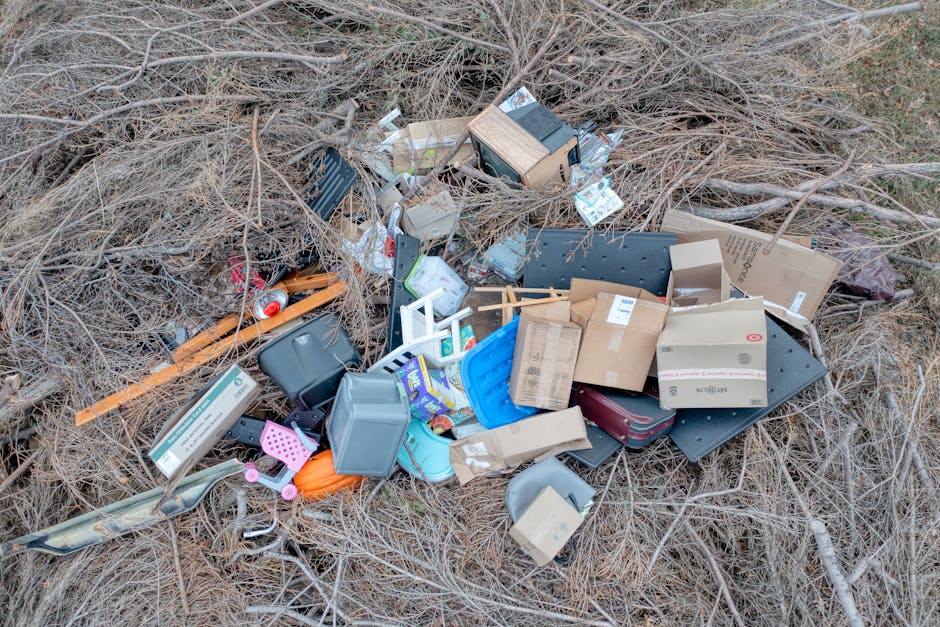
Carpet disposal sounds simple until you look at the details. Carpets are bulky, awkward, and often mixed with underlay, tack strips, staples, nails, dust, and the occasional surprise from years of use. If they are left beside a communal bin, dumped in a service lane, or placed out in a way the council does not accept, the waste can be treated as fly-tipping or illegal disposal. That is where fines and enforcement come into the picture.
For Paddington residents, landlords, and managing agents, this guide matters because incorrect disposal can affect more than one person. In a flat share, for example, one careless decision at the end of a tenancy can become a complaint from neighbours or building management. In a commercial setting, a dumped office carpet can attract attention very quickly. Nobody enjoys that conversation, especially when everyone thought the job was "basically done".
It also matters because carpets are not a one-size-fits-all waste item. Some are reusable, some are recyclable in limited ways, and some are simply waste that needs lawful collection or delivery to the right facility. Handling that properly protects you from avoidable cost, helps keep shared spaces tidy, and reduces the risk of someone else being blamed for the mess.
Expert summary: the safest carpet disposal plan is usually the one that is visible, traceable, and allowed by local waste rules. If you cannot explain where the carpet is going, it is probably not the right disposal method.
How Illegal waste fines: Paddington council carpet disposal guide Works
At a practical level, carpet disposal works like any other controlled waste decision: you identify the material, check whether it can be reused or reused in part, choose an approved disposal route, and make sure the waste is transferred responsibly. If it is left in the wrong place or handed to someone unlicensed or unreliable, the risk of a fine increases.
In everyday terms, councils and enforcement teams usually care about a few things: whether the item was placed in a permitted collection area, whether it was prepared properly, whether it was left in a public or shared space, and whether there is any sign the waste was dumped rather than collected. A carpet that is neatly rolled and scheduled for lawful removal is very different from one left in a roadside pile with other rubbish. The second one looks like trouble, because it is.
Paddington properties often involve mixed access: narrow staircases, shared entrances, basement storage, and timed collection windows. That means the disposal method matters as much as the item itself. If a carpet has to pass through a communal hallway, you may need to coordinate timing, protect surfaces, and keep the route clear. If the carpet is part of a broader refresh, services such as deep cleaning or end-of-tenancy cleaning may be useful once the waste issue is handled, because the room usually needs more than a quick sweep.
The most important thing to understand is this: disposal rules are not just about avoiding a fine. They are about proving that you acted reasonably, safely, and within the expected standard. That matters if a neighbour complains, if a landlord checks the condition of a property, or if a waste contractor asks how the item was prepared.
Key Benefits and Practical Advantages
Doing carpet disposal properly gives you more than peace of mind. It can actually save time, money, and a good bit of aggravation. Here are the main advantages.
- Lower risk of fines: you avoid the obvious mistake of leaving bulky waste where it should not be.
- Fewer neighbour disputes: no one wants a carpet leaning against shared bins for three days.
- Cleaner access routes: hallways, lifts, and pavements stay usable.
- Better planning for moves: disposal can be tied to cleaning, decorating, or end-of-tenancy work.
- Less stress overall: you know the item is leaving the property in a lawful way.
There is also a very practical benefit that often gets overlooked: carpet disposal is easier when it is planned alongside the rest of the clean-up. If you are already organising furniture movement, floor care, or final checks, it can be sensible to build the disposal into the same day. That way you are not dragging a dusty carpet back through a freshly cleaned room. Been there, regretted that.
For homes and smaller offices, this can be as simple as coordinating removal before a deeper reset, then finishing with carpet, sofa, or upholstery work if those items are staying. A job handled in the right order tends to feel smaller, calmer, and less chaotic. That alone is worth a lot.
Who This Is For and When It Makes Sense
This guide is for anyone in Paddington who needs to dispose of a carpet without risking illegal waste fines. That includes tenants, landlords, homeowners, letting agents, office managers, tradespeople, and cleaners working after a move or refurbishment.
It makes sense in a few common situations:
- you have replaced a worn carpet in one room only
- you are clearing a property before handover
- you are removing damaged flooring after leaks, fire, or heavy staining
- you are dealing with carpet offcuts from a renovation
- you have a commercial carpet that is too large for normal refuse handling
It is especially useful if you are coordinating several jobs at once. For example, a landlord might need carpet removal, hallway tidy-up, and a final sweep before inventory photographs. Or a family might be trying to get the old carpet out before a one-off cleaning visit and a fresh room repaint. Timing matters more than people think. A carpet left until the last minute can throw off the whole sequence.
It is also worth saying that commercial properties have their own complications. Office carpets are often glued, heavy, and full of fixings. If you are dealing with an office move, the waste plan should be decided early, not after everyone has already packed the desks. If in doubt, get the disposal side sorted before the team starts lifting monitors and filing boxes.
Step-by-Step Guidance
Here is a straightforward way to deal with carpet disposal without wandering into risky territory.
- Check the carpet size and material. Identify whether it is a full fitted carpet, a loose rug, or carpet offcut. Backing, underlay, and adhesive can affect how it is handled.
- Decide whether it can be reused. A carpet in decent condition may be suitable for reuse, but only if it is clean, safe, and actually wanted by someone.
- Remove fixings carefully. If the carpet is fitted, take out grippers, staples, and nails where safe to do so. Wear gloves. Small metal bits have a rude habit of hiding in plain sight.
- Roll and secure the carpet. Keep it compact so it is easier to move and less likely to scatter dust or fibres.
- Keep the route clear. If you live in a block, let neighbours or building staff know if you will be moving a bulky item through common areas.
- Choose a lawful disposal method. Use a permitted collection, a responsible waste contractor, or another accepted route. Do not leave it in a communal area or by the road unless you know it is allowed and scheduled.
- Keep basic proof. If a contractor collects the carpet, save confirmation or any record you are given. Simple proof can be useful later.
If you are also cleaning the room after removal, a carpet-free floor is a good moment to tackle hidden dust, skirting edges, and stubborn marks. Services such as hard floor cleaning or carpet cleaning can help bring the space back into shape once the disposal piece is complete.
Small note, but an important one: do not assume "someone else will take care of it" if the carpet is sitting in a shared area. That assumption can become a problem very quickly. The safest move is usually the most boring one, which is to confirm, document, and only then move the item out.
Expert Tips for Better Results
A few practical habits can make carpet disposal smoother and reduce the chance of a fine or complaint.
- Measure before you move: if the carpet is too large for the lift or stairwell, plan the route first.
- Bag or wrap dirty backing: if the carpet is shedding debris, contain it so you do not trail mess through common areas.
- Separate materials where possible: carpet, underlay, and metal fixings are easier to manage when they are not all bundled together.
- Coordinate with cleaning: waste removal and final cleaning should follow a logical order, not overlap.
- Use daylight when you can: early evening in a hallway is a bad time to discover a missing stair edge or loose tack strip.
One practical tip I often see overlooked: if the carpet was in a damp room or has absorbed odour, do not leave it indoors for days while you "think about it". That smell can spread into curtains, soft furnishings, and even upstairs carpets. You notice it when you open the door in the morning - that stale, wet-fabric kind of air. Not pleasant.
Another good habit is to think about the whole room, not just the carpet. If the carpet came out because of a renovation, you may also need post-work cleaning or builder dust removal. In those cases, a service such as after-builders cleaning can be a sensible next step once the waste is gone.
Common Mistakes to Avoid
Most carpet disposal problems are surprisingly ordinary. They happen because people are rushing, tired, or trying to save a few minutes. Fair enough, but the risks are real.
- Leaving carpets by bins or on the pavement: this is the classic way to create an enforcement problem.
- Mixing carpet with random rubbish: makes sorting harder and can increase disposal costs.
- Ignoring shared-building rules: blocks and managed properties often have stricter expectations than a private home.
- Using an unreliable collector: if you cannot be confident the waste will be handled properly, do not hand it over.
- Forgetting underlay and fixings: these are part of the job and can cause trip hazards if left behind.
- Assuming all waste is treated the same: carpet waste is bulky and needs a better plan than a standard household bin.
The most frustrating cases tend to happen when somebody has already arranged cleaning or key handover. Then the carpet is discovered at the wrong time, and suddenly there is a scramble. That kind of last-minute mess is avoidable, which is the good news. A little planning goes a long way.
Tools, Resources and Recommendations
You do not need a complicated toolkit to dispose of a carpet properly, but a few basic items help a lot.
- Work gloves: useful for gripping rough edges and handling fixings.
- Stanley knife or carpet cutter: for careful cutting when the carpet must be divided into manageable sections.
- Strong tape or straps: to keep rolled carpet compact.
- Sack or container for fixings: keep staples, nails, and small metal pieces separate.
- Cleaning cloth or vacuum: to clear loose dust after lifting the carpet.
- Protective sheets or old towels: useful for hallways and door thresholds.
For broader property clean-up support, it can help to work with a team that understands both disposal timing and the final presentation of the space. If that is your situation, take a look at the service information for domestic cleaning or house cleaning when you are dealing with a home rather than a single item.
If you are managing an office or commercial unit, office cleaning and office cleaners may be useful once the bulky waste is out, particularly if the carpet removal revealed dust lines, old adhesive residue, or neglected edges around skirting.
Law, Compliance, Standards, or Best Practice
This topic sits close to waste management and local enforcement, so it is worth being careful. The exact rules that apply can vary depending on the property type, the collection method, and the waste carrier involved. If you are unsure, check the current local expectations before you move anything. That is the sensible thing to do, even if it feels slightly tedious.
In general UK practice, the key compliance idea is simple: do not dump waste, do not cause nuisance in shared spaces, and do not pass waste to anyone who may not handle it properly. A carpet left in a public place without permission may be treated as fly-tipping. A carpet put out at the wrong time or in the wrong way may also trigger enforcement action. Best practice is to use a route that is traceable and clearly permitted.
For landlords and managing agents, the bar is a little higher because the disposal decision can affect a tenancy record, common-area safety, and building relations. For tradespeople, the expectation is that waste from the job is managed responsibly and does not become someone else's problem. Simple, but not always followed.
If sustainability is part of your decision-making, consider whether the carpet can be repurposed or whether any part of it can be separated for recycling. Not every carpet can be recycled in the same way, so avoid assuming. A responsible approach is better than a hopeful one.
Options, Methods, or Comparison Table
Different disposal routes suit different situations. The best choice depends on condition, size, access, urgency, and whether you are dealing with a home or a larger site.
| Method | Best for | Pros | Watch out for |
|---|---|---|---|
| Reuse or donation | Clean, usable carpets | Reduces waste, may help someone else | Only works if the carpet is in acceptable condition |
| Scheduled waste collection | Most domestic carpet removals | Convenient and traceable | Needs proper booking and correct preparation |
| Bulky waste service | Single large items or mixed household clear-outs | Practical for one-off disposal | Rules on placement and timing matter |
| House clearance support | Multiple items, moving house, end of tenancy | Less stress, better for larger jobs | Costs and scope should be clear in advance |
| DIY transport to disposal point | Households with suitable vehicle and time | Flexible if you can manage the lifting | Heavy, awkward, and not ideal for everyone |
If you are tackling a full property rather than one carpet, a wider clearance route may make more sense than trying to piece things together one item at a time. In some cases, a combined clean-up approach works best, especially where floors, upholstery, or soft furnishings also need attention.
Case Study or Real-World Example
Picture a typical Paddington flat at the end of a tenancy. The tenant has already moved most boxes out, but the bedroom carpet is stained at the doorway and needs to go. There is also a small rug in the lounge, a couple of broken hangers, and dust along the skirting. The first instinct is often to just get the carpet out to the street and "deal with it later".
That is where people get into trouble.
The better approach is to roll the carpet, bag the loose fixings, keep the corridor clean, and arrange a lawful disposal route before the final handover. Once the carpet is gone, the room can be vacuumed, edges wiped, and any final cleaning handled properly. If the property has multiple items to remove, the tenant or landlord might combine the job with end-of-tenancy cleaning so the flat is ready for inspection instead of half-finished.
In a similar office scenario, a facilities manager might discover that one conference room carpet is worn and must be lifted before a refit. In that case, the removal is only half the job. The space still needs a clean finish afterwards, and sometimes a bit of patience too. Nobody likes trying to move a dusty carpet tile stack past a Monday morning meeting. It happens, though.
The lesson is simple: the moment you plan the disposal properly, the whole process becomes calmer. Less guesswork, fewer delays, and far less chance of a complaint.
Practical Checklist
Use this checklist before you move a carpet out of the property.
- Have I checked whether the carpet can be reused, recycled, or must be treated as waste?
- Have I removed or accounted for staples, grippers, nails, and underlay?
- Is the carpet rolled, secured, and manageable to carry?
- Do I know the approved disposal method I will use?
- Have I confirmed the timing and route if I am moving it through shared areas?
- Have I protected floors, walls, and doorways during removal?
- Do I have any proof of collection, booking, or transfer?
- Have I planned the cleaning that needs to happen after removal?
- Is there anyone else who needs to know about the disposal, such as a landlord, concierge, or building manager?
- Have I checked that the item will not be left outside at the wrong time?
If you can tick those off, you are in a much safer position. Not perfect, maybe, but solid. And solid is usually enough to keep everyone out of avoidable trouble.
Get a free quote today and see how much you can save.
Conclusion
Illegal waste fines are rarely about the carpet alone. They usually come from poor planning, unclear disposal, or leaving a bulky item in the wrong place for too long. Once you understand that, the solution becomes much easier: prepare the carpet properly, use a lawful disposal route, and keep the whole process visible and sensible.
For Paddington homes, flats, and offices, that approach protects you from fines, keeps shared spaces tidy, and makes the final clean-up much less stressful. If you are already midway through a move, refurbishment, or tenancy change, this is one of those jobs that rewards calm decisions. Nothing fancy. Just the right order, the right route, and a bit of common sense.
And honestly, that is usually what saves the day.
Frequently Asked Questions
Can I leave an old carpet by the bin in Paddington?
Usually, no. Leaving a carpet beside communal bins or on the pavement can be treated as improper disposal or fly-tipping. The safer option is to use a permitted collection or another lawful route.
What counts as illegal waste when disposing of a carpet?
Illegal waste disposal can include dumping a carpet in a public place, leaving it in a shared area without permission, or handing it to someone who does not handle waste responsibly.
Do I need to remove underlay as well as the carpet?
Yes, in most cases you should deal with the underlay and any fixings too. Underlay, staples, and nails are part of the waste stream and can create hazards if left behind.
Can a carpet be recycled?
Sometimes, but not always. Recycling depends on the carpet material, condition, and the route available locally. Do not assume every carpet can be recycled in the same way.
What if the carpet is still in good condition?
If it is clean and usable, reuse or donation may be possible. That said, only do this if the carpet is genuinely suitable and someone actually wants it.
How do I avoid a fine when moving a carpet through a block of flats?
Plan the timing, keep communal areas clean, and make sure the item is removed by an approved method. If the building has house rules, follow them closely.
Is it better to use a house clearance service for one carpet?
For a single small carpet, maybe not. But if you have multiple items, move-out waste, or other bulky pieces to remove, a house clearance approach can be much more practical.
What should I do after the carpet has been removed?
Vacuum, check edges and skirting, remove dust, and clean the floor properly. If the room needs a full refresh, services like deep cleaning or hard floor cleaning may help.
Are office carpets treated differently from domestic carpets?
The principles are similar, but commercial carpet disposal often involves larger, heavier materials and stricter building access rules. Planning matters even more in offices.
Should I keep proof of carpet disposal?
Yes, if you can. A booking confirmation, receipt, or collection record can be helpful if anyone later ??????s where the waste went. It is a small thing, but useful.
What is the safest first step if I am unsure?
Pause and confirm the correct disposal route before moving the carpet. A quick check now is far better than dealing with a complaint or fine later.
Can carpet disposal be combined with cleaning work?
Absolutely. In fact, that often works best. Once the carpet is gone, a carpet cleaning, domestic clean, or final property tidy-up is usually much easier to organise.