Dealing with bulky carpet waste in Paddington: disposal tips
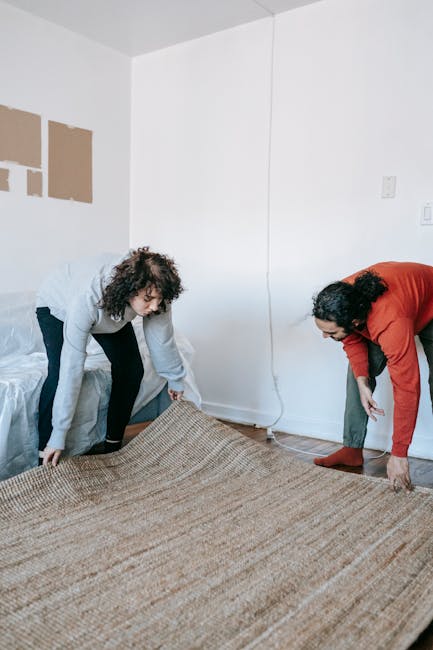
If you have just ripped up old carpet in a Paddington flat, you will know the feeling: dust everywhere, awkward rolls in the hallway, and that nagging question of what to do with the lot. Dealing with bulky carpet waste in Paddington: disposal tips is really about making the job safe, legal, and as painless as possible. The good news? With a little planning, carpet disposal does not have to turn into a weekend disaster. In this guide, we'll walk through the practical options, the common traps, and the smartest ways to clear bulky carpet waste without creating extra hassle for yourself or your neighbours.
Whether you are replacing a single room, clearing a whole property, or dealing with underlay and gripper rods as well, the same basic principles apply: sort the waste, keep it manageable, and choose the right disposal route. It sounds simple. Sometimes it is. Sometimes it is not. Let's get into the useful bit.
Table of Contents
- Why Dealing with bulky carpet waste in Paddington: disposal tips Matters
- How Dealing with bulky carpet waste in Paddington: disposal tips Works
- Key Benefits and Practical Advantages
- Who This Is For and When It Makes Sense
- Step-by-Step Guidance
- Expert Tips for Better Results
- Common Mistakes to Avoid
- Tools, Resources and Recommendations
- Law, Compliance, Standards, or Best Practice
- Options, Methods, or Comparison Table
- Case Study or Real-World Example
- Practical Checklist
- Conclusion
- Frequently Asked Questions
Why Dealing with bulky carpet waste in Paddington: disposal tips Matters
Carpet looks harmless when it is laid on the floor. Once it is removed, though, it becomes one of those bulky waste materials that quickly eats up space, time, and patience. In Paddington, where homes can be compact, staircases can be narrow, and parking can be awkward, carpet disposal can become more complicated than people expect.
Why does it matter so much? For a start, carpet waste is heavy, awkward, and difficult to compress neatly if you are dealing with thick underlay or multiple rooms. It can also shed fibres and dust, which makes a clean-up job less pleasant than the original plan. If you leave rolls in a communal hallway or outside the building for too long, you may also create a nuisance for neighbours or run into building management issues. Truth be told, nobody wants to see a hallway turned into a temporary carpet graveyard.
There is also the wider environmental angle. Carpet is not just one material. It may contain synthetic fibres, foam underlay, backing layers, adhesives, and contamination from dirt or pet hair. That makes it much better to think about sorting and disposal before you start cutting. If you are trying to keep the process more sustainable, it is worth looking at the company's approach to recycling and sustainability as part of your decision-making.
In practical terms, this topic matters because the right disposal plan can save you money, reduce lifting strain, and stop the whole job from dragging on. And yes, one of the least glamorous truths of home improvement is that the disposal stage can be the part that causes the most stress.
How Dealing with bulky carpet waste in Paddington: disposal tips Works
At a basic level, carpet disposal is a three-part process: remove, prepare, and dispose. But each step has a few small decisions hidden inside it.
First, remove the carpet carefully. Cut it into workable strips rather than trying to haul out one huge sheet. A smaller roll is easier to carry, easier to fit through doorways, and easier to load into a vehicle. Second, prepare the waste. That usually means separating carpet from underlay where possible, removing tack strips or gripper rods, and checking for nails, staples, or other sharp bits. Third, choose the disposal route that fits the amount of waste and your building situation.
For a small room, you may be able to bag or bundle the waste and take it away in a series of trips. For a larger project, you may need a dedicated collection or a professional waste solution. In Paddington specifically, access is often the deciding factor. A third-floor flat with no lift is a different story from a ground-floor property with rear access. You can probably feel the difference just reading that.
One useful way to think about carpet waste is to separate it into categories:
- Reusable or salvageable material - for example, a carpet section that is still in decent condition for a utility room, shed, or temporary protection use.
- Recyclable material - depending on composition and local acceptance, some carpet components may be suitable for recycling streams.
- Residual waste - damaged, contaminated, or mixed material that needs standard disposal.
That sorting step matters because it can reduce landfill-bound waste and help you decide what to keep, what to separate, and what to send off in one go.
Key Benefits and Practical Advantages
Handling bulky carpet waste properly is not just about tidiness. There are some very real practical advantages.
Less physical strain
Old carpet can be awkwardly heavy, especially when it is damp, dusty, or loaded with underlay. Breaking it down into smaller sections reduces the risk of twisting awkwardly on stairs or carrying an unstable roll through a tight entrance. Anyone who has tried to turn a rolled carpet in a narrow London hallway knows the feeling - it is a bit of a dance, and not a graceful one.
Cleaner home or worksite
When you prepare the waste properly, you create less mess. That means less dust spread, fewer loose fibres, and fewer sharp bits left behind in the room. This is especially useful if you are replacing carpet in a rented property, a commercial unit, or a home where children or pets are nearby.
Better timing and less disruption
In Paddington, where access windows, loading space, and neighbour considerations can be tight, a quick disposal plan helps keep the job moving. Nobody wants carpet rolls sitting around for three days while waiting for a last-minute solution. Get the waste plan right early and the whole project feels calmer.
More sustainable choices
Sorting carpet waste gives you a chance to reduce what goes into general waste. Even when recycling options are limited, separating clean material from contaminated scraps can improve your chances of a better outcome. If environmental responsibility matters to you, the recycling and sustainability approach is worth reviewing before the work starts.
Lower risk of disputes or complaints
Shared buildings can become sensitive very quickly if waste is left in common areas. Doing the job neatly and promptly reduces the chance of complaints from neighbours or building managers. In a dense area, that alone can be worth the effort.
Who This Is For and When It Makes Sense
This advice is useful for a wider group than you might think. If you are in any of these situations, planning carpet waste disposal properly makes sense:
- Homeowners replacing tired carpet in one or more rooms.
- Tenants who need to remove old flooring at the end of a tenancy or before decorating.
- Landlords preparing a flat for new occupants.
- Letting agents and property managers dealing with rapid turnaround jobs.
- Small businesses refurbishing offices, salons, studios, or retail spaces.
- People clearing out after water damage or heavy wear, where carpet and underlay are no longer fit to keep.
It makes particular sense when the carpet is bulky, dirty, or located in a property with difficult access. If you can carry the carpet out in one clean trip, great. Most people cannot. And to be fair, even a modest-sized room can produce more waste than expected once the underlay is included.
If you are unsure about the next step, it can also help to review the practical support pages on about us, contact us, and pricing and quotes so you can match the disposal plan to your overall cleaning or flooring project.
Step-by-Step Guidance
Here is a straightforward way to handle bulky carpet waste without making a mess of the whole day.
1. Measure the job before you cut anything
Walk the property and estimate how much carpet, underlay, and trim waste you will have. If you know how many rooms are involved, you can think ahead about bagging, bundling, and lifting. It sounds obvious, but people often start cutting before they know where the waste will go.
2. Clear a route out of the property
Open doors, move furniture, protect corners, and check the stair route. In older Paddington properties, tight corners and shared landings can be the real obstacle, not the waste itself. A clear route reduces damage and saves time.
3. Cut the carpet into strips
Use a sharp blade and work slowly. Wider strips may look efficient at first, but they become clumsy fast. Smaller sections are much easier to roll and secure. Roll each strip tightly and tape it if needed so it does not spring open mid-carry. Carpet has a habit of doing that at the worst possible moment.
4. Separate underlay and accessories
Underlay, tack strips, trim, and adhesive residue should be separated where possible. This makes handling simpler and gives you a better chance of sorting materials sensibly. It also makes the waste easier to describe if you are arranging a collection.
5. Bag small debris and sweep thoroughly
Don't forget the tiny stuff. Staples, dust, carpet offcuts, and crumbly underlay fragments always seem to multiply. Bag them securely and sweep the floor. A clean subfloor is easier to inspect before new flooring goes in.
6. Choose the right disposal route
Once the waste is ready, decide whether it can be taken away in a vehicle, included in a wider collection, or handled through a professional waste removal service. For more involved jobs, a service that understands access issues, carrying limits, and sorting requirements can be a much less painful option.
7. Confirm collection timing and access details
If someone else is handling the removal, make sure they know where the waste is, how to reach it, and whether there are stairs, lifts, loading restrictions, or building rules. In Paddington, a few extra details up front can save a lot of back-and-forth later.
Expert Tips for Better Results
There are a few small things that make a big difference here. They are not dramatic. They just work.
- Cut with the backing side up when possible. It helps reduce snagging and keeps the top fibres cleaner while you work.
- Keep rolls light enough to carry safely. If you are hesitating before lifting it, it is probably too heavy.
- Use tape sparingly but effectively to prevent roll-out. A loose roll is annoying. A loose roll on stairs is worse.
- Wear gloves and sturdy footwear. Not fashionable, but sensible.
- Protect communal areas with dust sheets or cardboard if you are moving waste through shared entrances.
- Plan the final sweep separately from the removal. The job is not really done until the floor is clear of grit and staples.
A small practical tip that often gets overlooked: keep a bin bag or two near the work area for the tiny sharp bits. If you leave them loose, they end up everywhere, usually where you kneel. That is the sort of detail nobody forgets twice.
If you are dealing with a bigger or more sensitive job, it can also help to check the company's health and safety policy and insurance and safety information so you understand the expected standards around safe handling and site care.
Common Mistakes to Avoid
Most carpet disposal problems are not dramatic failures. They are little mistakes that add up.
- Trying to remove too much at once - this usually leads to awkward lifting and accidental damage.
- Leaving carpet waste in shared hallways - a fast way to annoy neighbours and make the building look untidy.
- Mixing waste types together - it makes sorting and disposal harder than it needs to be.
- Forgetting the underlay - underlay is often the messier part, and people underestimate it.
- Ignoring sharp fixings - staples, nails, and gripper rods can be a real nuisance.
- Not checking access first - if the waste cannot get out easily, the plan needs adjusting before the first cut.
- Assuming all carpet can go the same way - some materials are easier to recycle or separate than others.
One more thing: do not assume that because the carpet is "just old flooring," it can be treated casually. The waste still needs to be handled properly. A bit of extra care upfront saves a bigger headache later.
Tools, Resources and Recommendations
You do not need a van full of specialist kit to deal with bulky carpet waste, but the right basic tools make the process smoother.
| Tool or Resource | Why it helps | Best for |
|---|---|---|
| Sharp utility knife | Lets you cut carpet into manageable strips cleanly | Most removal jobs |
| Heavy-duty gloves | Protects hands from staples, rough backing, and dust | Any dismantling work |
| Dust sheets or cardboard | Helps protect floors and shared corridors | Flats and communal buildings |
| Tape or straps | Keeps rolled carpet compact during carrying | Stairs and long corridors |
| Bin bags or rubble sacks | Useful for debris, staples, and smaller offcuts | Final clean-up |
| Professional removal support | Useful when access, volume, or time are the main issue | Larger or awkward jobs |
For readers who want a service that fits within a wider cleaning or flooring refresh, the most useful next steps are often to review pricing and quotes, then use contact us if you need to discuss access, timing, or the scope of the work. If you want a sense of the company background before deciding, the about us page is also worth a look.
There is no magic tool that removes the need for planning. Sorry. If only.
Law, Compliance, Standards, or Best Practice
Carpet waste disposal in the UK should be handled responsibly and in line with general waste handling best practice. You do not need to become a legal expert to get this right, but a few principles matter.
Duty of care is the key phrase here. In plain English, it means waste should be passed to someone authorised to take it, and it should not be dumped, fly-tipped, or left in a way that causes a nuisance. If you are arranging disposal through a contractor, make sure you are comfortable that they are reputable and that the process is clear. That is a sensible precaution, not overkill.
For shared buildings and commercial premises, site rules may also apply. Property managers may have instructions about loading bays, lift use, noise times, and waste storage. In practice, those rules often matter more than people expect because they affect timing and access.
Good best practice usually looks like this:
- separate carpet waste from general rubbish where possible;
- avoid blocking exits, stairs, or communal areas;
- protect floors and walls during removal;
- ensure any contractor understands the job size and access route;
- keep records or confirmations if you are coordinating removal for a managed property.
If you are concerned about payment handling or booking terms, it can also help to review payment and security, terms and conditions, and privacy policy before making arrangements. These pages do not dispose of carpet, obviously, but they do help set expectations clearly. A bit of admin, yes, but useful admin.
Options, Methods, or Comparison Table
Different properties call for different disposal methods. Here is a simple comparison to help you choose.
| Method | Best for | Pros | Trade-offs |
|---|---|---|---|
| DIY removal and transport | Small jobs with easy access | Flexible, direct, often cheapest if you already have transport | Heavy lifting, time-consuming, can be awkward in flats |
| Bundled collection with other waste | Mixed home clear-outs | Convenient if you already have other bulky items | Needs careful sorting and volume planning |
| Professional removal | Larger or access-heavy jobs | Less strain, faster clearance, better for tricky buildings | Usually costs more than doing it yourself |
| Reuse or repurpose | Carpet still in usable condition | Reduces waste and can be practical for protection or temporary use | Only suitable if the material is clean and genuinely serviceable |
For many Paddington residents, the deciding factors are access and time. If you can carry waste down safely and have a suitable vehicle, DIY may be fine. If you are in a top-floor flat with narrow stairs, a professional route can be far less stressful. No shame in that at all.
Case Study or Real-World Example
A common scenario goes like this: a couple in a Paddington apartment decides to replace worn bedroom carpet before redecorating. At first, they think they can just pull it up, roll it, and sort it later. Then they realise there is a thick underlay, a set of stairs, and a very small lift that may or may not be working on any given day. The hallway starts filling with dusty rolls. Not ideal.
What worked better was a simple reset. They cut the carpet into smaller strips, bundled the underlay separately, and protected the hallway with cardboard. They also checked access times with the building manager before arranging removal. The result was much calmer: less damage risk, less mess, and far fewer trips up and down the stairs. It was not glamorous. It was just sensible.
That kind of approach is usually the difference between a flooring job that feels manageable and one that feels like a minor siege. The lesson is simple: carpet disposal is easiest when you treat it as part of the project, not an afterthought.
Practical Checklist
Use this checklist before you start.
- Measure the rooms and estimate the amount of carpet waste.
- Check whether underlay, trim, and fixings need separate handling.
- Plan the route out of the property.
- Protect floors, walls, and communal areas.
- Wear gloves and sturdy footwear.
- Cut the carpet into manageable strips.
- Roll and secure each bundle safely.
- Bag small debris, staples, and offcuts.
- Confirm access, parking, and timing if a collection is involved.
- Review disposal, recycling, and sustainability options.
- Keep the final clean-up separate from the removal step.
Quick expert summary: the safest and least stressful way to deal with bulky carpet waste in Paddington is to prepare it in small, manageable sections, separate the messy bits, and choose a disposal route that matches your access and volume. Simple. Not always easy, but simple.
Conclusion
Dealing with bulky carpet waste in Paddington does not need to feel chaotic. Once you break the job into sensible steps, it becomes much easier to manage: cut the carpet into smaller sections, separate the materials, protect the property, and choose a disposal method that suits the space you are working in.
The real win is not just getting rid of old flooring. It is doing it in a way that keeps the property clean, the neighbours happy, and your back in decent condition. That last one matters more than people admit.
If you are planning a larger clear-out, want a smoother removal process, or simply do not fancy wrestling carpet rolls down a staircase on your own, it is worth speaking with a local specialist who understands Paddington properties and access challenges.
Get a free quote today and see how much you can save.
Frequently Asked Questions
What is the easiest way to get rid of bulky carpet waste in Paddington?
The easiest method is usually to cut the carpet into smaller rolls, separate the underlay and debris, and arrange removal in a way that suits your access. For compact flats or difficult staircases, professional collection is often less stressful than moving everything yourself.
Can I put old carpet in normal household rubbish?
Usually, no. Carpet is bulky and often too awkward for standard household waste collections. It is better to prepare it as bulky waste or arrange a suitable removal option that can handle the size and weight properly.
Should carpet underlay be removed separately?
Yes, where possible. Underlay is often messier and may be made from a different material than the carpet itself. Separating it helps with handling, sorting, and any potential recycling or disposal decisions.
How do I avoid making a mess while removing carpet?
Cut slowly, roll the carpet tightly, and bag loose debris as you go. Protect the route through the property with dust sheets or cardboard, especially if you are moving waste through shared halls or stairs.
Is carpet waste recyclable?
Sometimes, but it depends on the material, condition, and local acceptance. Clean, separated material may have better recycling potential than mixed or heavily contaminated waste. If sustainability matters to you, ask about the disposal route in advance.
What size should I cut the carpet into?
Cut it into sections that one person can carry safely without strain. Smaller rolls are easier to transport through doors and staircases. If you are unsure, go smaller rather than larger. That tends to be the safer call.
Do I need special tools to remove carpet waste?
Not many. A sharp knife, gloves, tape or straps, and sturdy bags for debris are usually enough for smaller jobs. Bigger or harder-access properties may benefit from professional help.
How much does carpet waste disposal usually cost?
Costs can vary depending on the amount of waste, access, and the disposal method chosen. It is best to request a clear quote so you know what is included, especially if stairs, parking, or extra materials are involved.
Can old carpet be reused instead of thrown away?
Sometimes, yes. If it is still clean and in decent condition, it may be useful for temporary floor protection, a shed, or a utility area. If it is damaged, damp, or heavily worn, disposal is usually the better option.
What should I do with staples, nails, and gripper rods?
Remove them carefully and place them in a secure bag or container. These items are sharp and easy to miss during clean-up, so it is worth doing a final sweep before finishing the job.
What if I live in a flat with narrow stairs or no lift?
That is exactly when planning matters most. Smaller bundles, protected routes, and a realistic lifting plan are essential. In many cases, a professional removal service is the simpler and safer route.
How can I make sure my carpet disposal is done responsibly?
Sort the waste where possible, avoid leaving it in communal areas, and use a disposal route that follows proper waste handling practice. Reviewing service details and sustainability information beforehand is a smart move, not overthinking it.
Paddington homes come in all shapes and sizes, and so do their flooring jobs. With a bit of patience and a clear plan, even bulky carpet waste can be handled cleanly, calmly, and without turning your day upside down.