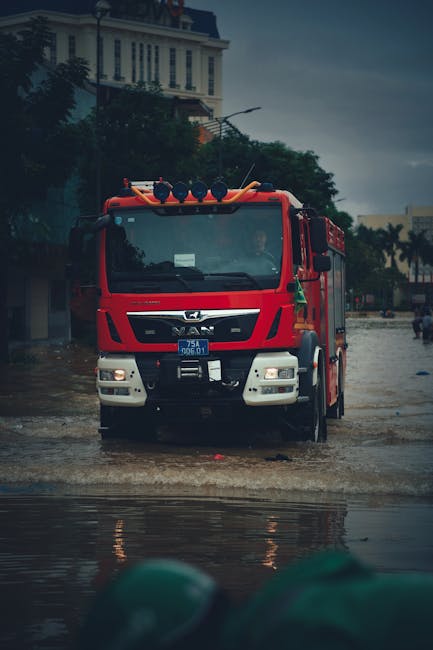
Emergency flood & spill cleaning in Paddington (W2): a practical local guide
Water on the floor, a burst pipe, a soaked carpet, a spilled bottle of cleaner, a knocked-over paint tin - it never arrives at a convenient moment, does it? If you are dealing with Emergency flood & spill cleaning in Paddington (W2), speed matters, but so does doing the right thing in the right order. A rushed mop-up can leave moisture under flooring, spread contamination, stain textiles, or make the problem worse a day later when the smell kicks in.
This guide explains what emergency flood and spill cleaning actually involves, how the process works, what to do in the first few minutes, and when it makes sense to bring in a specialist. It is written for Paddington homes, flats, offices, managed properties, shops, and short-let spaces where a small incident can quickly turn into an expensive headache. Lets face it, in a busy part of West London, you do not always get much warning.
For readers looking beyond the immediate incident, it can also help to understand the wider cleaning support available in the area, from deep cleaning in Paddington to carpet cleaning services and one-off cleaning in Paddington. Those services often become relevant after the emergency itself is under control.
Table of Contents
- Why Emergency flood & spill cleaning in Paddington (W2) Matters
- How Emergency flood & spill cleaning in Paddington (W2) Works
- Key Benefits and Practical Advantages
- Who This Is For and When It Makes Sense
- Step-by-Step Guidance
- Expert Tips for Better Results
- Common Mistakes to Avoid
- Tools, Resources and Recommendations
- Law, Compliance, Standards, or Best Practice
- Options, Methods, or Comparison Table
- Case Study or Real-World Example
- Practical Checklist
- Conclusion
- Frequently Asked Questions
Why Emergency flood & spill cleaning in Paddington (W2) Matters
A spill is not just a spill once it gets into carpet backing, under laminate, behind skirting boards, or into a porous subfloor. In Paddington, where many properties include period features, dense flooring layers, shared hallways, and compact rooms, hidden moisture can move faster than people expect. One minute the surface looks manageable; the next, damp has crept under a sofa, into underlay, or into a neighbour-adjacent wall.
Emergency flood cleaning matters because the first few hours often determine how much damage follows. That includes water marks, odour, mould risk, staining, warped timber, weakened adhesives, and even electrical hazards if water has reached sockets, appliances, or equipment. Spills can be just as urgent when the liquid is oily, acidic, biological, or chemically reactive. A coffee stain is annoying. A coolant leak, sewage contamination, or solvent spill is a different beast entirely.
Paddington adds a few local complications too. You may be dealing with basement flats, mixed-use buildings, loading access, restricted parking, or busy pedestrian routes near Paddington Station and Praed Street. That makes rapid response and sensible containment especially valuable. It also means the cleanup plan has to be practical, not theoretical.
Key point: emergency cleaning is not only about appearance. It is about preventing secondary damage, protecting health, and getting the space usable again without cutting corners.
If the incident is tied to a larger property refresh, many clients also look at spring cleaning in Paddington or follow-up support through domestic cleaning services once the immediate risk is dealt with.
How Emergency flood & spill cleaning in Paddington (W2) Works
Good emergency cleaning follows a fairly disciplined process. It is quick, yes, but not chaotic. The aim is to remove standing liquid, isolate the affected area, assess what has been contaminated, and dry or sanitise the space properly.
1. Initial assessment
The first question is simple: what kind of liquid is it? Clean water, grey water, and contaminated water are not handled in the same way. Likewise, a food spill is very different from paint, bleach, fuel, urine, or floodwater. The assessment also checks how far the liquid travelled and whether it reached carpets, subflooring, furniture, or electrics.
2. Safety and containment
Before anyone starts extracting liquid, the area is made safe. That may mean switching off power to affected zones, keeping people out, or moving items to a dry space. In a block of flats or office setting, this is where a calm, methodical approach pays off. Panicking often spreads the mess.
3. Extraction and surface removal
Standing water or excess spill material is removed using suitable extraction equipment, absorbent materials, or manual techniques depending on the surface. For example, a flooded carpet may need wet extraction, while a kitchen spill on hard flooring might need controlled wiping and disinfection. A good operator will avoid scrubbing a contaminant deeper into the surface, which is a common mistake. A very common one, actually.
4. Cleaning, sanitising, and deodorising
Once the bulk liquid is removed, the affected area is cleaned using appropriate products for the material and the type of spill. This is where specialist judgement matters. Not every disinfectant is suitable for every surface. Not every strong-smelling product is the right solution either. Sometimes a mild, targeted treatment works better than blasting everything with something harsh.
5. Drying and moisture control
Moisture left behind is one of the biggest hidden risks. Professional emergency work often includes air movement, dehumidification, and monitoring of drying progress. A room can look fine and still be damp under the carpet edge or under the skirting. That is how mould finds a foothold.
6. Final inspection and restoration advice
The final step is checking whether the surface has fully recovered or whether follow-up work is needed. Sometimes that means carpet cleaning, upholstery treatment, odour removal, or even referral to a restoration specialist if the structure has been affected.
For local readers comparing services, the broader services overview is a useful place to understand how emergency work can sit alongside regular property cleaning.
Key Benefits and Practical Advantages
Emergency cleanup is usually a race against time, but the benefits are not just about speed. Done properly, it can save money, reduce disruption, and protect the long-term condition of the property.
- Less secondary damage: Faster treatment reduces the chance of staining, odour, warping, and mould growth.
- Better hygiene: Some spills carry bacteria, allergens, or unpleasant residues that simple mopping will not remove fully.
- Safer premises: Wet floors, slippery residues, and contaminated materials can create immediate slip and health risks.
- Faster return to normal: Homes, shops, and offices can get back to use more quickly when moisture is controlled early.
- Less stress: A clear plan is calming when everything else feels a bit upside down.
There is also a practical property-value angle. If you are preparing a flat for sale, rental inspection, or handover, emergency spill damage left untreated can make the rest of the property look tired. In that situation, people often combine urgent cleanup with end of tenancy cleaning in Paddington or even look ahead to selling property in Paddington tips to avoid last-minute surprises.
Useful takeaway: the real value is not just removing what you can see. It is protecting what you cannot see yet.
Who This Is For and When It Makes Sense
This type of service is relevant for a wide range of people, and it is not limited to dramatic floods. Plenty of callouts start with a smaller event that simply cannot wait until tomorrow.
- Homeowners and tenants: burst washing machine hoses, overflowed sinks, radiator leaks, cooking spills, pet accidents, or water entering a flat after heavy rain.
- Landlords and letting agents: quick intervention helps protect flooring, reduce void periods, and support a cleaner handover.
- Office managers: tea and coffee spills, plumbing issues, bathroom overflows, and accidental product leaks are common in shared workplaces.
- Retail and hospitality venues: customer safety and presentation matter, especially when people are walking in and out all day.
- Event spaces and short lets: if there is an incident before guests arrive, you need the room looking and smelling right, fast.
There are also times when emergency cleanup is the sensible first step before a deeper service. For example, if a spill has soaked into a rug or sofa, a follow-up visit for rug care near Paddington Station or upholstery cleaning may be needed once the moisture is controlled.
Truth be told, many people wait too long because the scene does not look dramatic enough. A damp patch that seems "not too bad" at 8 a.m. can become a smell-heavy, dark-edged mess by evening.
Step-by-Step Guidance
If you are facing a flood or spill right now, use this sequence. It is simple on purpose. In an emergency, simple beats clever.
- Stop the source if you can do so safely. Turn off the tap, isolate the appliance, or move the spill source away. If there is any electrical risk, do not wade in.
- Protect people first. Keep children, pets, and anyone vulnerable away from the area. Wet floors are slippery, and contaminated spills can be harmful.
- Take a quick look at what spread. Note whether the liquid reached carpets, wood, upholstery, boxes, walls, or sockets. This helps decide the urgency and scope.
- Absorb or contain the surface liquid. Use clean towels, absorbent pads, or a suitable wet vacuum if you already have one and know how to use it safely.
- Avoid aggressive scrubbing. Pushing the liquid deeper is one of the easiest ways to make the job harder later.
- Ventilate the room. Open windows if weather and security allow. A bit of fresh air helps, though it will not replace proper drying.
- Document the damage if needed. Photos can help with insurance or landlord discussions. Keep it factual. No need for a mini drama, even if it feels like one.
- Arrange specialist support when the spill is large, contaminated, or hidden. If the liquid has soaked into underlay, flooring, or furniture, professional extraction and drying become much more worthwhile.
- Follow up with deeper cleaning if required. Odour, staining, and residue sometimes only become obvious after the first dry-out stage.
If you are comparing emergency assistance with routine maintenance, it can help to look at house cleaning in Paddington or office cleaning support as part of a longer-term plan. Emergency work solves the immediate problem; regular care reduces the odds of repeat incidents.
Expert Tips for Better Results
These are the details people often miss, and they matter more than most expect.
- Act on the edges, not just the middle. Liquids travel outward. The visible centre is rarely the full problem.
- Check under furniture legs and soft furnishings. Chairs, sofas, rugs, and bed bases can trap moisture and odour.
- Use the right cleaner for the material. Hardwood, carpet, stone, vinyl, and fabric all respond differently. One product for everything is not always a good idea.
- Drying is part of cleaning. If a space is cleaned but still damp, the job is unfinished.
- Be careful with scent masking. Strong fragrance can hide a problem for a few hours, then the underlying issue returns. Bit sneaky, that.
- Call sooner rather than later for porous materials. Carpet underlay, chipboard, plasterboard, and fabric absorb fast.
- Think about access before calling for help. In Paddington, parking, lift access, and entry arrangements can affect response time. A quick heads-up saves hassle.
One small real-world observation: people often spend fifteen minutes trying to make a mess look tidy before they address the source. Totally understandable. But the first priority should always be containment and drying, not presentation.
Common Mistakes to Avoid
Emergency cleanups go wrong in predictable ways. Once you know them, you are less likely to repeat them.
- Leaving the affected area sealed up. Closed doors, no airflow, and no drying equipment can trap moisture and encourage odour.
- Using too much water to clean a spill. More liquid is the last thing a wet area needs.
- Scrubbing stains aggressively. That often spreads the contamination and can damage fibres or finishes.
- Ignoring hidden moisture. Surface dryness does not mean the floor structure is dry.
- Mixing cleaning chemicals. That is unsafe and can produce harmful fumes. Don't do it.
- Delaying professional help for contaminated water. Grey or dirty water should be treated with extra caution.
- Forgetting the surrounding area. Hallways, thresholds, and adjacent rooms can pick up residue and odour too.
For many people, the mistake is not lack of effort. It is overconfidence after the first quick tidy. The floor looks okay, the towels are wet, and everyone breathes out. Then the next morning the smell says otherwise.
Tools, Resources and Recommendations
The right tools depend on the scale and type of incident. A small kitchen spill is one thing; floodwater in a hallway is another entirely. Still, the essentials are fairly consistent.
| Tool or resource | What it helps with | When it is useful |
|---|---|---|
| Absorbent cloths and pads | Removing surface liquid quickly | Small spills, immediate response |
| Wet vacuum or extraction equipment | Lifting water from carpets and floors | Flooding, large spills, recurring seepage |
| Air movers and dehumidifiers | Speeding up drying and reducing trapped moisture | After any substantial water incident |
| Suitable disinfectant or neutral cleaner | Removing contamination and residues | Food spills, organic waste, some grey-water events |
| Gloves and protective gear | Reducing exposure to harmful substances | Contaminated spills, mouldy materials, unknown liquids |
For urgent bookings or questions, the most direct route is usually to use the contact page or request pricing through the quote request form. If you want to understand the service model first, the about us page and pricing and quotes information can be helpful starting points.
There are also trust and support pages worth checking, especially if you are managing a property or booking on behalf of a business: insurance and safety, health and safety policy, and terms and conditions.
Law, Compliance, Standards, or Best Practice
Emergency cleaning touches safety, hygiene, and sometimes insurance considerations, so it is sensible to be careful. The exact requirements vary depending on the type of spill, the property type, and whether the liquid is contaminated. For that reason, this section is about common UK best practice rather than hard legal advice.
In general, property owners, landlords, and employers should take reasonable steps to reduce risk once a flood or spill has been identified. That usually means:
- removing immediate hazards, such as slip risks and exposed electrical dangers;
- preventing contaminated water from spreading further;
- using suitable protective equipment where needed;
- documenting the damage for insurance or maintenance records;
- arranging competent help if the spill is beyond basic household cleaning.
If the incident has affected a workplace, there may be additional health and safety duties, depending on the circumstances. Where a spill involves biological waste, sewage, chemicals, or unknown liquids, extra caution is sensible. And if the flooring or structure has been saturated, a quick surface clean is not enough on its own.
From a practical standpoint, a reputable cleaner should be able to explain their process clearly, use appropriate equipment, and avoid casual claims they cannot support. That is a good sign. Simple, honest, not flashy. You want that in an emergency.
For readers who care about policy transparency, the site's privacy policy, cookie policy, and modern slavery statement are also available.
Options, Methods, or Comparison Table
Different incidents call for different levels of response. Here is a simple comparison to help you decide what kind of support is likely needed.
| Method | Best for | Advantages | Limitations |
|---|---|---|---|
| DIY surface mop-up | Very small clean water spills | Fast, low cost, immediate | Can miss hidden moisture and contamination |
| Targeted spot cleaning | Single-room spills, carpet marks, minor overflow | More thorough than basic mopping | Still may not resolve underlay or subfloor issues |
| Emergency extraction and drying | Floods, soaked carpets, repeated seepage | Better moisture control, faster recovery | Requires equipment and coordination |
| Deep clean after the incident | Residual odour, staining, sanitation concerns | Restores appearance and hygiene | Usually a follow-up, not the first step |
Practical rule: if the liquid is clean, the affected area is small, and nothing has soaked in, a careful DIY response may be enough. If the spill is contaminated, widespread, or invisible beneath the surface, professional help becomes the smarter move.
Case Study or Real-World Example
A fairly typical Paddington scenario goes like this: a first-floor flat near a busy road has a washing machine hose leak late in the morning. By the time someone notices, water has spread across the kitchen floor, seeped into the edge of the hallway carpet, and started to gather under a low cabinet. Nothing looks catastrophic, which is exactly why people can underestimate it.
The first action is to stop the source and clear the area. Then the visible water is extracted, edges are checked, and the carpet boundary is lifted where needed to inspect hidden damp. A dehumidifier and airflow help dry the affected zone. If the carpet has picked up a smell or staining, a follow-up clean is arranged once the moisture levels have dropped. The result is not just a tidier room - it is a room that is actually safe to use again.
In a commercial setting, the same principle applies but under more pressure. Imagine a small office spill just before a client meeting. The visible mess might be dealt with in minutes, but the real challenge is making sure there is no lingering residue, slippery film, or damp under the carpet tiles. That is where a structured emergency response saves the day. Quietly, almost boringly, which is exactly what you want.
For local context and a better sense of the area, some readers also browse a local guide to Paddington or resident thoughts on Paddington living. Different topic, yes, but it helps place the service in the real neighbourhood people actually live and work in.
Practical Checklist
Use this checklist when the pressure is on and your brain is doing that slightly scrambled emergency thing.
- Identify the liquid source and stop it if it is safe to do so
- Keep people and pets away from the affected area
- Check for electrical risk before stepping into standing water
- Absorb visible liquid without over-wetting the area
- Inspect carpet edges, furniture bases, and corners for hidden damp
- Ventilate the room where possible
- Photograph damage for records or insurance
- Avoid mixing cleaning products
- Use protective gloves if the spill is contaminated or unknown
- Arrange professional help if moisture, odour, or staining persists
Quick reminder: if the spill involves sewage, chemicals, fuel, or anything you cannot identify confidently, treat it as higher risk from the start.
Get a free quote today and see how much you can save.
Conclusion
Emergency flood and spill incidents are stressful, but they are far easier to control when you respond early, stay calm, and use the right kind of help. In Paddington (W2), where properties are often compact, busy, and varied in layout, the difference between a quick recovery and a longer repair job often comes down to the first few decisions.
That means stopping the source, protecting people, removing liquid properly, and drying the space thoroughly instead of guessing. It also means knowing when the situation has crossed from basic cleanup into something that needs specialist attention. If you do that part well, the rest gets a lot easier.
And if today has been one of those days, well, take a breath. The mess is real, but it is usually manageable. One step at a time.
Frequently Asked Questions
What counts as emergency flood and spill cleaning?
It usually means urgent cleaning after water damage, liquid contamination, or a spill that could cause staining, odour, slip risk, or hidden moisture damage. If the area cannot safely wait until a normal cleaning slot, it is an emergency.
How fast should I act after a flood or spill?
As soon as possible. The first minutes matter for safety, and the first few hours matter for damage control. The longer liquid sits, the more likely it is to soak into floors, furniture, or walls.
Can I just mop up the water myself?
For a tiny clean-water spill on a hard floor, yes, often you can. But if water has gone under flooring, into carpet, or the liquid is dirty or contaminated, basic mopping is rarely enough.
What if the spill is on carpet?
Carpet needs more care because liquid can pass into the pile, backing, and underlay. Quick extraction and drying are important. If staining or odour remains, a specialist carpet clean may be needed afterwards.
Is floodwater always dangerous?
Not always, but it should be treated cautiously. Water from a clean supply is different from grey water, sewage, or rainwater that has picked up dirt and contamination. When in doubt, act as if it may be unsafe.
Will emergency cleaning remove bad smells too?
It can, but only if the moisture source and residue are dealt with properly. Smells often come from damp trapped below the surface, not just the visible mess. That is why drying is so important.
How do I know if hidden moisture is still present?
Persistent cold patches, soft flooring, musty smells, lifted carpet edges, or recurring staining can all suggest moisture remains. A proper inspection is better than guessing, especially after a significant spill.
Do I need to worry about mould after a flood?
Yes, especially if materials stayed damp for a while. Mould is more likely when moisture lingers in carpets, underlay, plasterboard, timber, or furniture. Early drying greatly reduces the risk.
Can emergency cleaning help with office spills and public areas?
Absolutely. Offices, reception areas, and shared spaces need fast cleaning because safety, professionalism, and continuity all matter. A small spill in a public-facing area can cause bigger disruption than you'd expect.
How much will emergency flood or spill cleaning cost?
It depends on the size of the area, the type of liquid, how far it spread, and whether drying or follow-up treatment is required. A quote is the best way to get a realistic figure for your specific situation.
Should I move furniture after a spill?
Only if it is safe and practical. Light items may be moved to protect them and expose wet flooring, but heavy furniture can be risky. If the area is badly wet or electrical hazards are possible, wait for proper assessment.
What is the best next step if I am unsure what to do?
Keep people away from the area, stop the source if possible, and get advice quickly. If you need local support or want to arrange urgent help, use the contact page or send a request through the quote form. A quick response now can save a lot of faff later.